A Long-Awaited Return
After a 12-year absence, the Elephants of Ivory Coast are finally back on the path to the FIFA World Cup 2026. This return marks a significant milestone for a nation that has often been a major player in African football. With a hard-fought qualification through the qualifiers, the Ivorians hope to perform better than their previous appearances in the tournament.
Currently ranked 49th in the FIFA rankings, Ivory Coast has carved out their path through fierce competitions to secure their spot. Their journey has been characterized by determination and the talent of key players, providing supporters with hope for a solid performance on the world stage.
Tactical Breakdown
Ivory Coast has always been known for its dynamic and offensive style of play. Under the leadership of their coach, Jean-Louis Gasset, the team has adopted a tactical approach that emphasizes ball possession and swift transitions. The Ivorians have talented players capable of making a difference, such as Wilfried Zaha, Franck Kessié, and Nicolas Pépé.
- Formation: Ivory Coast often opts for a 4-3-3 setup, maximizing the impact of its wingers.
- Strengths: The team relies on speed on the flanks and creativity in midfield.
- Defense: Although sometimes vulnerable, the Ivorian defense has shown signs of solidity during the qualifiers.
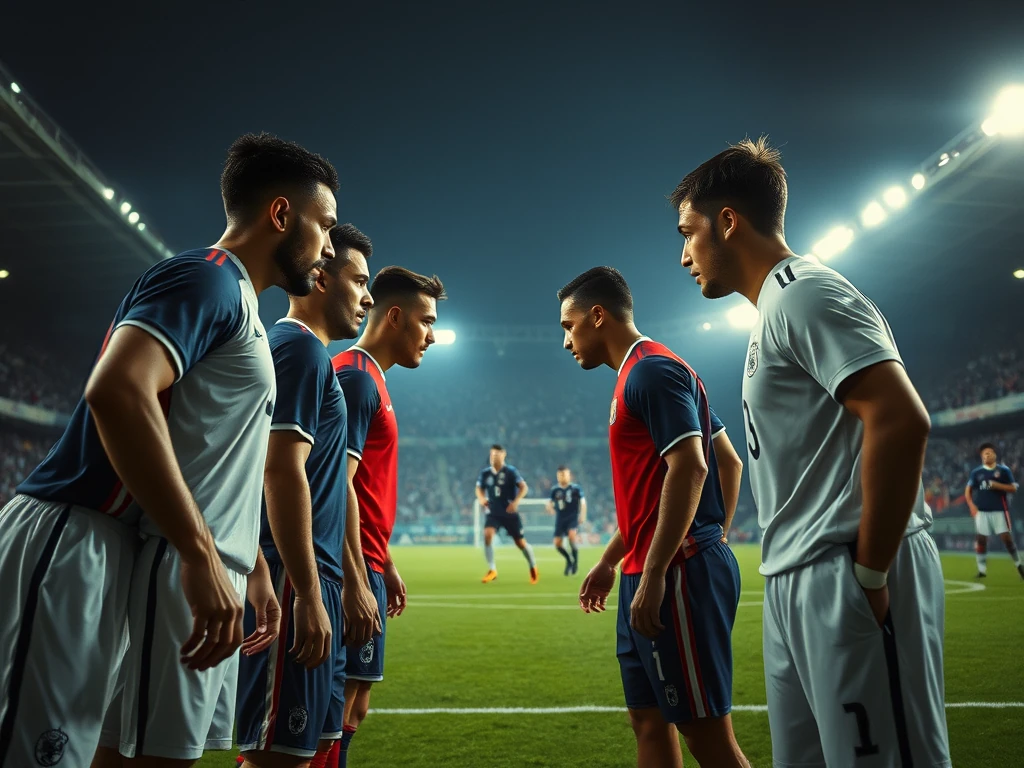
In the group stage, Ivory Coast will need to be vigilant against opponents like Germany and Ecuador, who are known for their technical and physical gameplay.
What It Means for Ivory Coast
Returning to the World Cup is a landmark event for Ivorian football. It not only reinforces the national team's importance on the African continent but also reignites hope among young talents aspiring to represent their country on the international stage. The excitement surrounding the national team is already palpable in the streets of Abidjan and in villages across the country.
Supporters hope to see a blend of experience and youth on the field. The performances of players like Sergio Diallo and Max-Alain Gradel will be key in guiding the team through challenging matches.
The Wider Championship Picture
Qualification for the 2026 World Cup is not only a victory for the team; it’s also a symbol of the resilience of African football. Ivory Coast, which was champion of Africa in 1992 and 2015, seeks to regain its past glory.
- Competition: Ivory Coast must compete with other African nations that have also progressed, such as Senegal and Morocco.
- History: In its previous participations, Ivory Coast reached the quarter-finals in 2006 and 2010, making it a respected contender despite its recent absence.
- Goals: The team's stated goal is to at least reach the Round of 16 this time.
Fan Reaction and Outlook
The reaction of Ivorian supporters to the qualification has been explosive. Social media is flooded with messages of joy and hope. Many fans are planning to travel to the United States, where the tournament will take place, to support their team. The chants and dances in the streets reflect genuine popular enthusiasm.
Discussions among supporters revolve around the players to watch and the strategies to employ. Expectations are high, and many hope the team can transcend its past performances and honor the national colors.
What's Next
As Ivory Coast prepares for the 2026 World Cup, the focus will be on strengthening the team and refining strategies. Upcoming friendly matches in the months ahead will be key for testing team cohesion and adjusting tactics.
Fans will keep a close eye on players' performances in their respective clubs, hoping they arrive in optimal form for the tournament. The Elephants are back, and with them, the hope for a thrilling adventure at the pinnacle of world football.