 Ivory Coast Hub
A Crucial Evolution
Ivory Coast, and particularly its economic capital, Abidjan, is at a decisive turning point. With a projected population of 6 million inhabitants by 2025, the city is modernizing at a rapid pace. This development is driven by the necessity to accommodate this demographic growth while enhancing the quality of life for its citizens. Investments in infrastructure, transportation, and public services are critical to addressing this evolution.
Modern Infrastructure: A Lasting Impact
The Ivorian government has embarked on various initiatives to modernize Abidjan's infrastructure. Notable projects include the Grand Abidjan, designed to connect peripheral areas to the city center, thus facilitating movement. Additionally, the construction of new bridges and roads contributes to alleviating the traffic congestion that was once common.
- Henri Konan Bédié Bridge: One of the main arteries of the city, easing access between neighborhoods.
- Accessibility Road: Ongoing projects to improve access to underprivileged areas.
- Public Transport: Modernization of bus lines and introduction of new public transport systems.
These improvements are not limited to roads. Urban development projects, such as residential and commercial complexes, are also emerging, attracting both national and international investors.
Cultural Dynamism: The Heart of Abidjan Life
Abidjan is not only evolving on the infrastructure front; the city is also a cultural epicenter in full swing. Events like the Abidjan Music Festival and contemporary art exhibitions highlight the region's cultural wealth. The music scene, in particular, is thriving with genres like zouglou and couper-décaler drawing crowds.
This dynamism is bolstered by a network of art galleries, theaters, and festivals, making Abidjan a must-visit destination for culture enthusiasts. The gastronomy, featuring traditional dishes like attiéké and foutou, also attracts visitors from all backgrounds.
Challenges Ahead: Rapid Urbanization and Inequalities
Despite these advancements, Abidjan's transformation comes with significant challenges. Rapid urbanization places pressure on existing infrastructure and exacerbates social inequalities. Informal settlements, which house a large part of the population, often lack access to basic services such as clean water and sanitation.
- Housing: The demand for affordable housing far exceeds supply.
- Health: Healthcare facilities are often overwhelmed.
- Education: Access to quality education remains a challenge in some areas.
The government and NGOs are collaborating to improve living conditions in these neighborhoods, but the path remains long. Implementing inclusive policies is crucial to ensure all Abidjanais benefit from this transformation.
Future Outlook: A Model for Africa
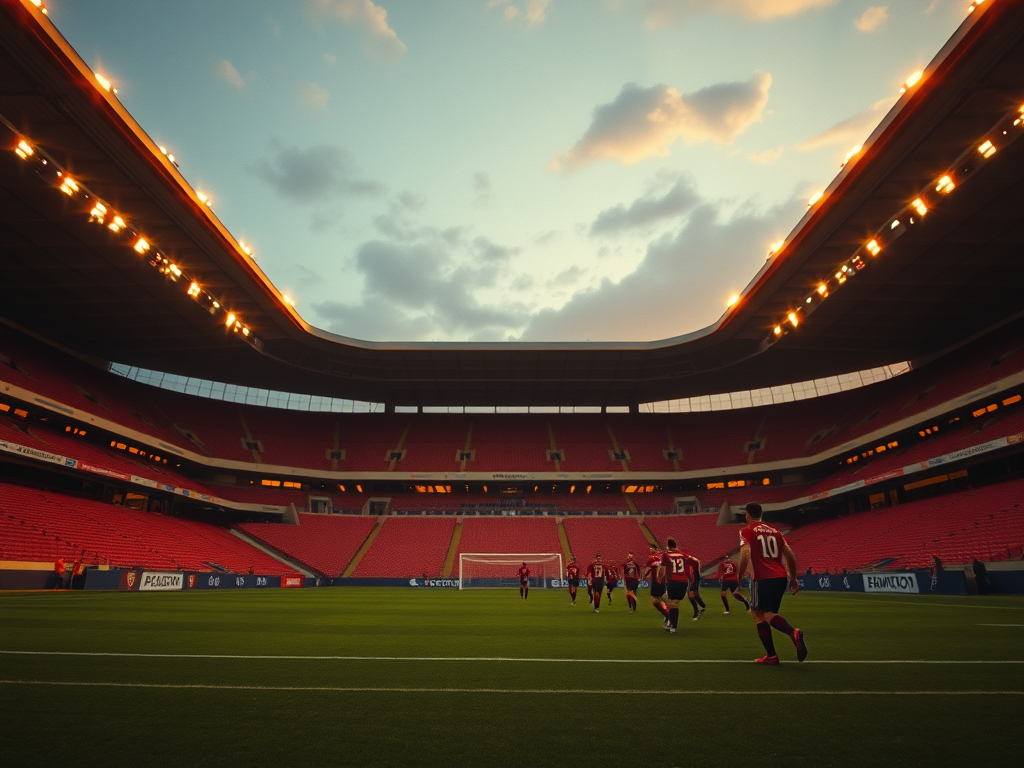
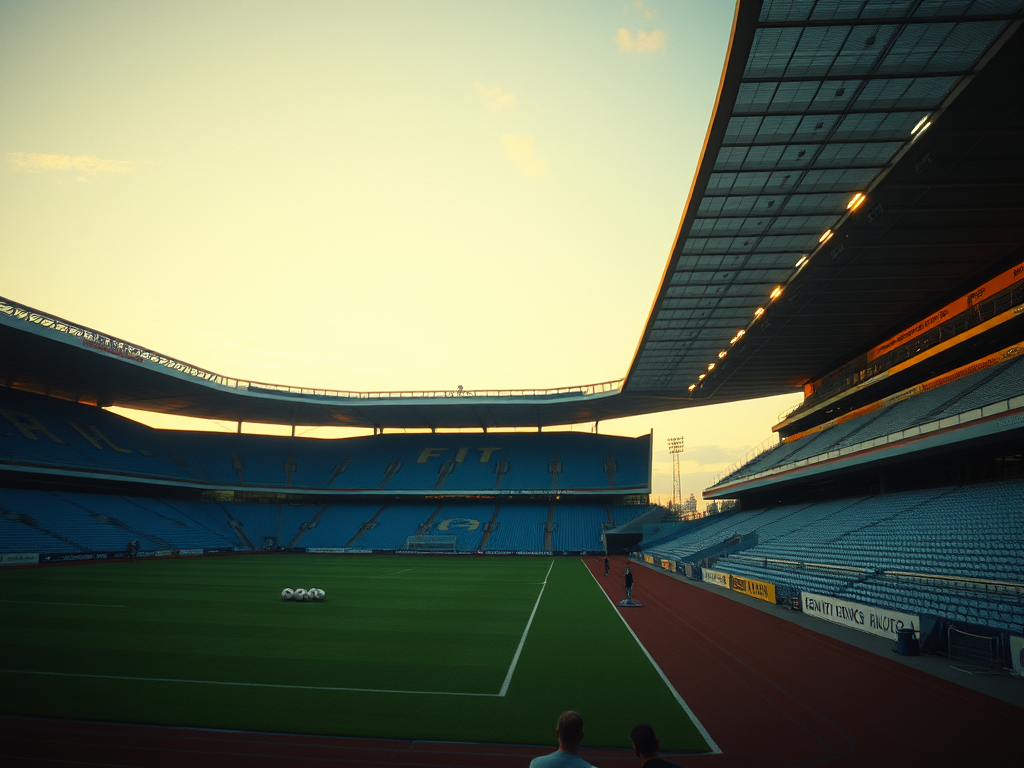
By 2025, Abidjan aims to become a model for urban development for the rest of Africa. Local authorities are seeking to transform the city into a dynamic business hub, attracting companies and talent from around the world. The upcoming FIFA World Cup 2026, with its potential impact on tourism and the economy, could also play a key role in this transformation.
Initiatives such as the development of special economic zones and improvements in digital infrastructure are underway to support this vision. Abidjan could well position itself as a leader in innovation and sustainable development in Africa.
What's Next?
The transformation of Abidjan is still in its early stages, but the signs are promising. With ongoing investments and a commitment to improving quality of life, the city can realize its potential. It will be crucial to monitor these developments to see how Abidjan evolves, not only within the Ivorian context but also on the African stage, as major events like the FIFA World Cup 2026 approach.
The future is exciting for this metropolis in full transformation, which could well become a beacon of modern urbanization on the African continent.